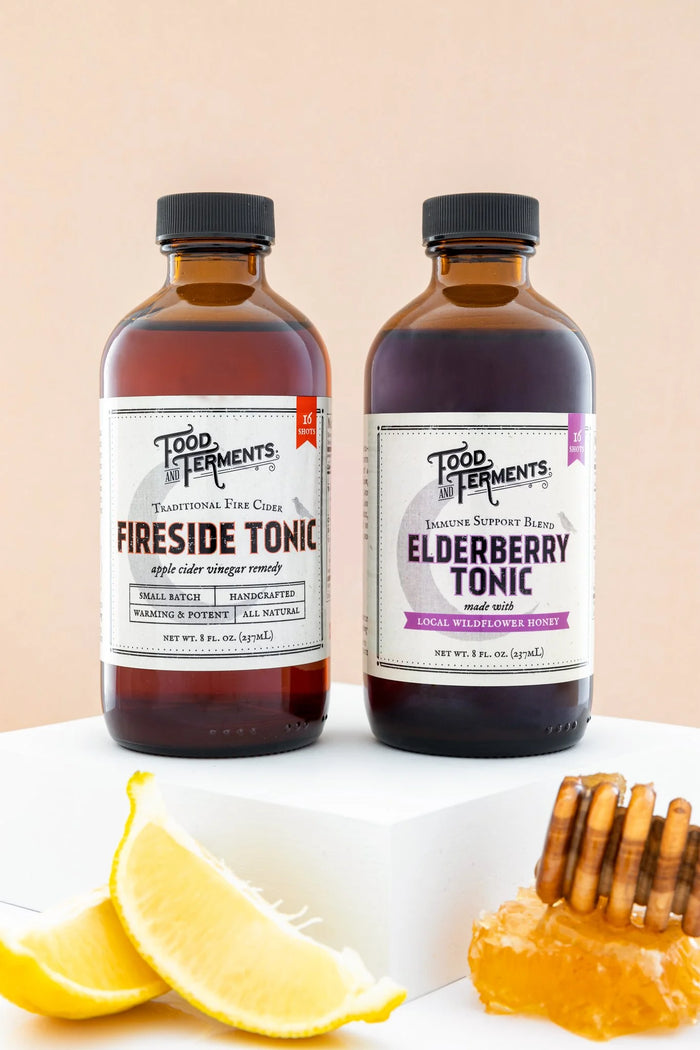

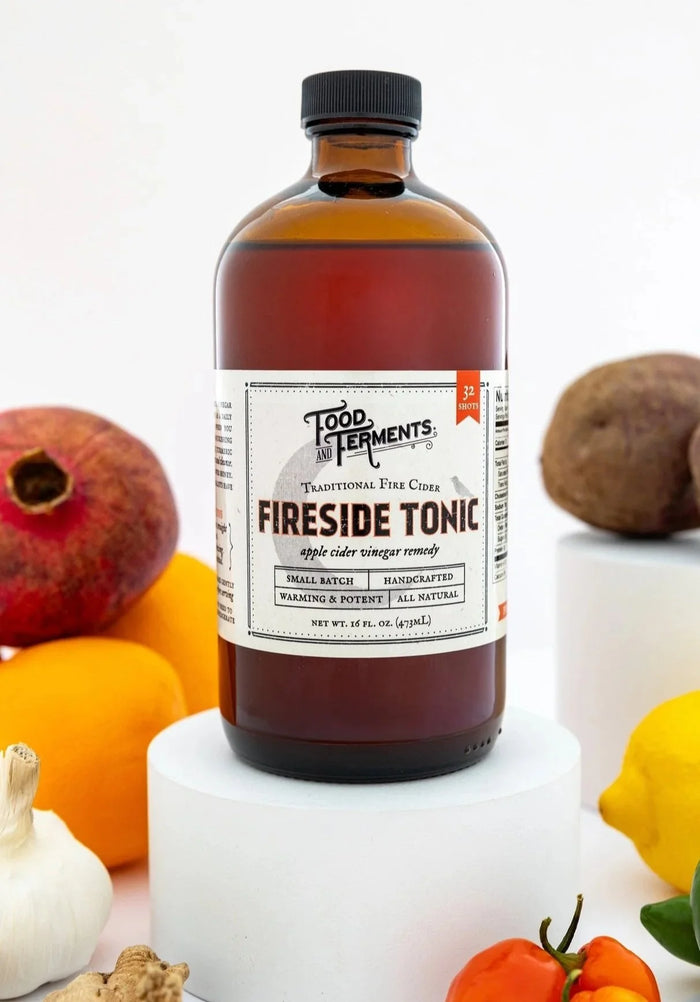
Fireside Tonic
For the week the wind turns mean.
from $15.99 · 8ozView
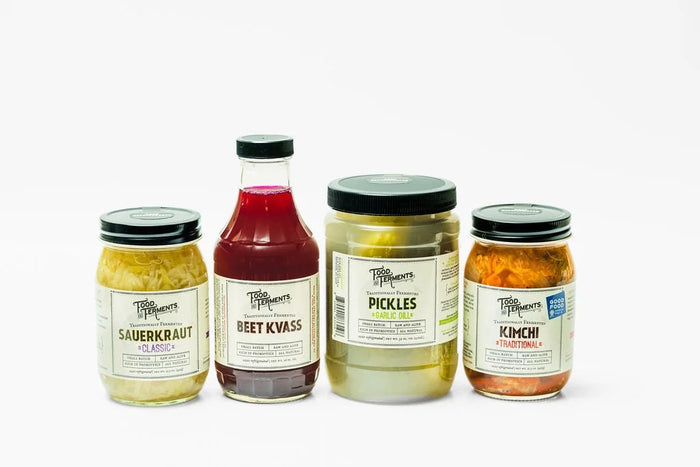
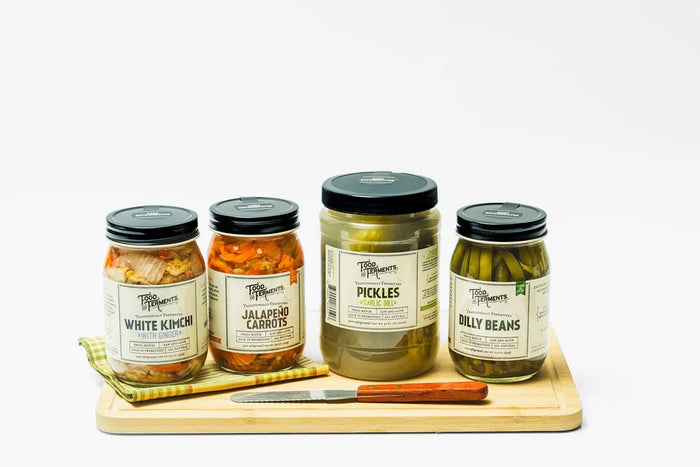
The whole shelf
From raw krauts and kimchi to crisp pickles and tonics, everything we make is small-batch, slow-fermented, and hand-crafted in Central New York. Packed with real flavor and living goodness.
For the week the wind turns mean.
Loud, lively, a little bit feral.
Spring's loudest spoonful.
Kimchi, minus the fire.
a note from the kitchen
Small batches mean some jars disappear fast. If your favorite's gone, it's probably just fermenting, check back in a week or two!
Rooty, with a warm kick.
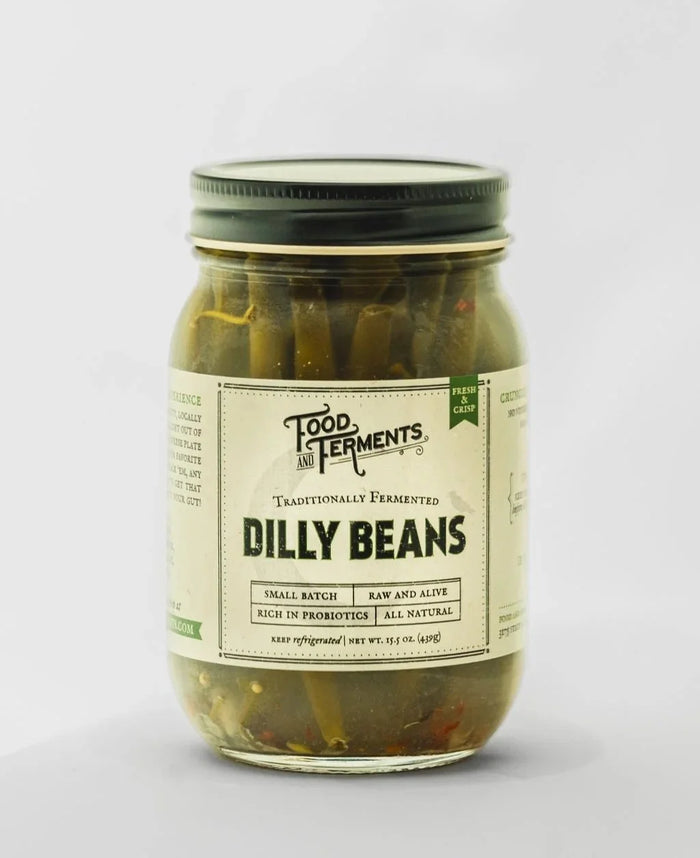
The snack with a snap.
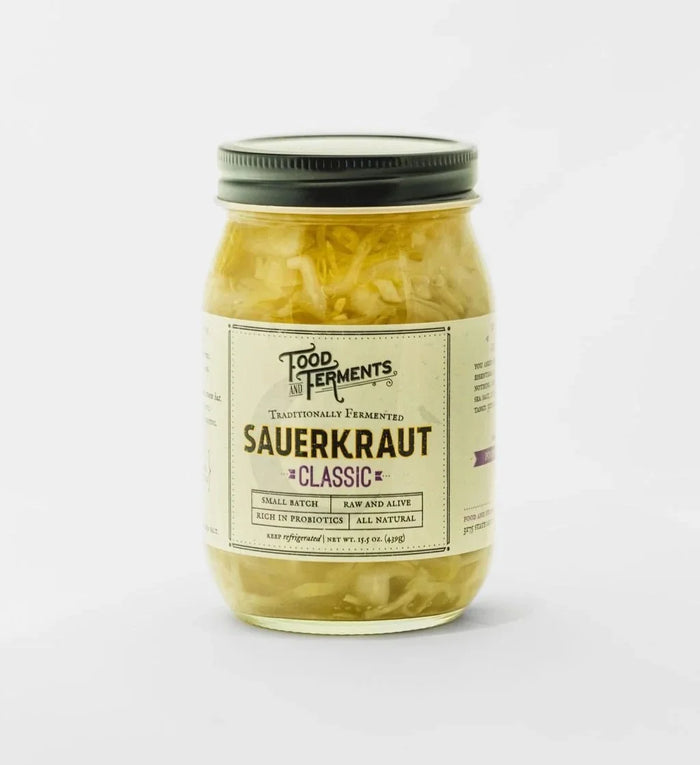
The one your grandmother meant.
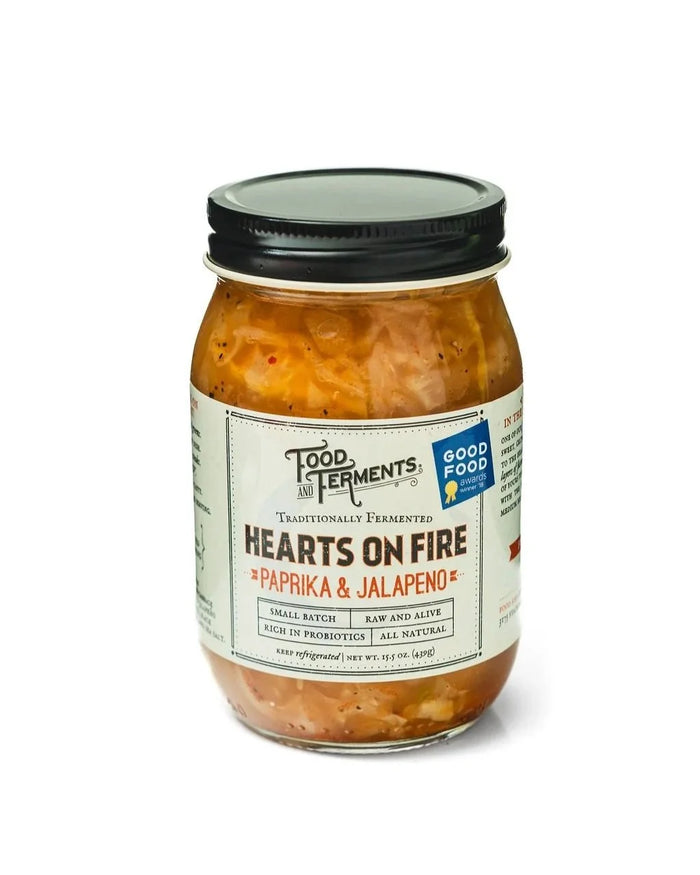
Crunchy carrots with a slow, smoky heat.
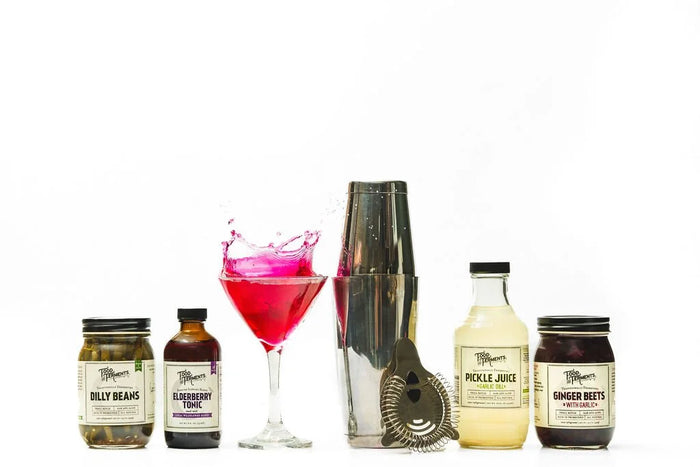
A little of everything we're proud of.
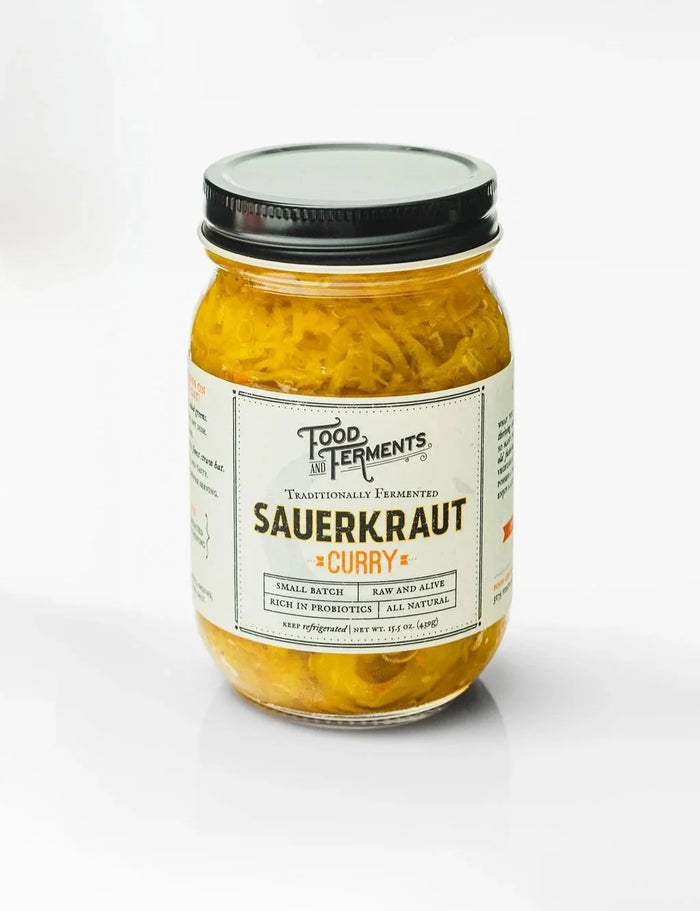
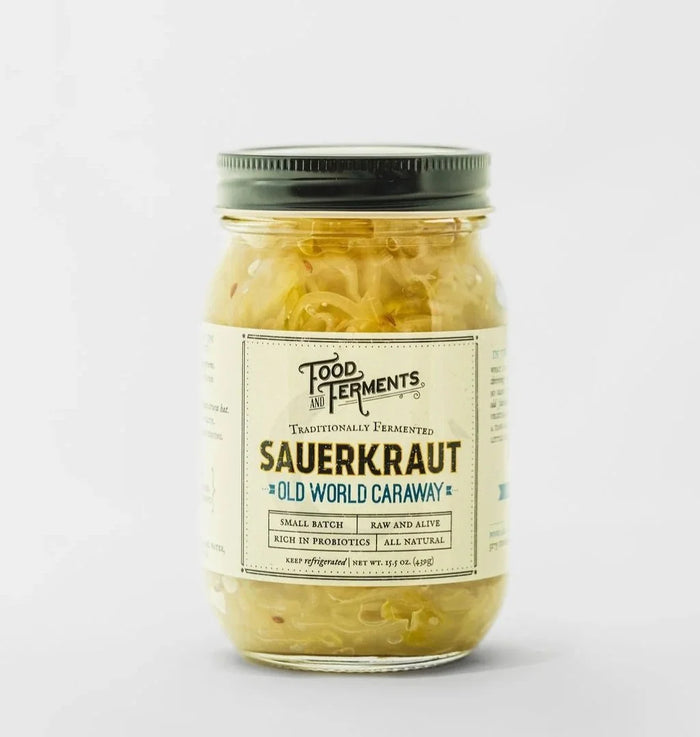
Old-world, with a seedy twist.
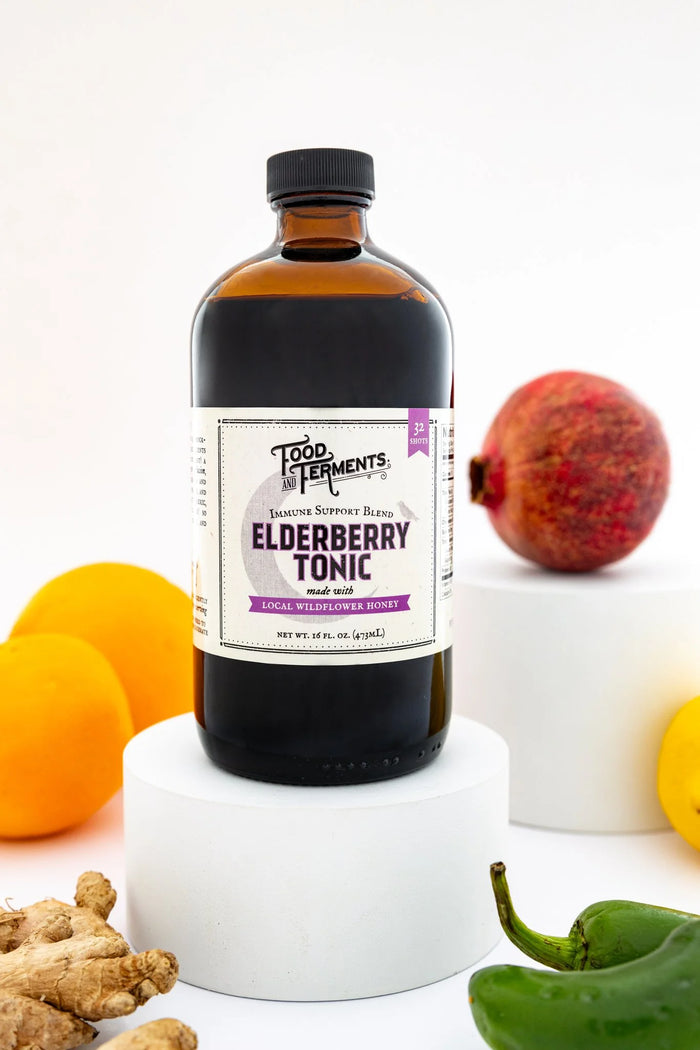
A cozy cold-season ritual.
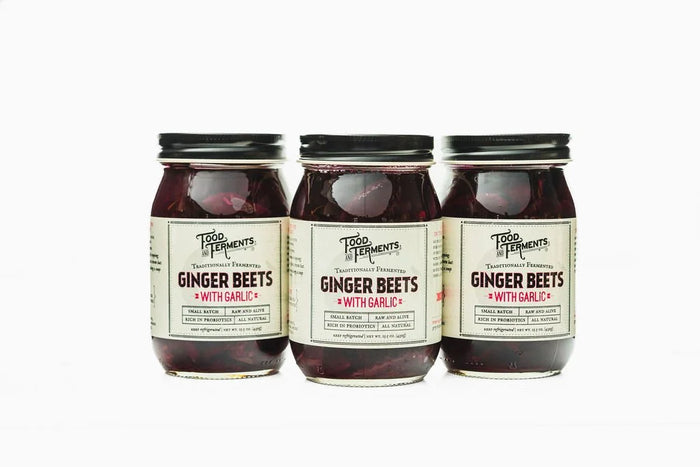
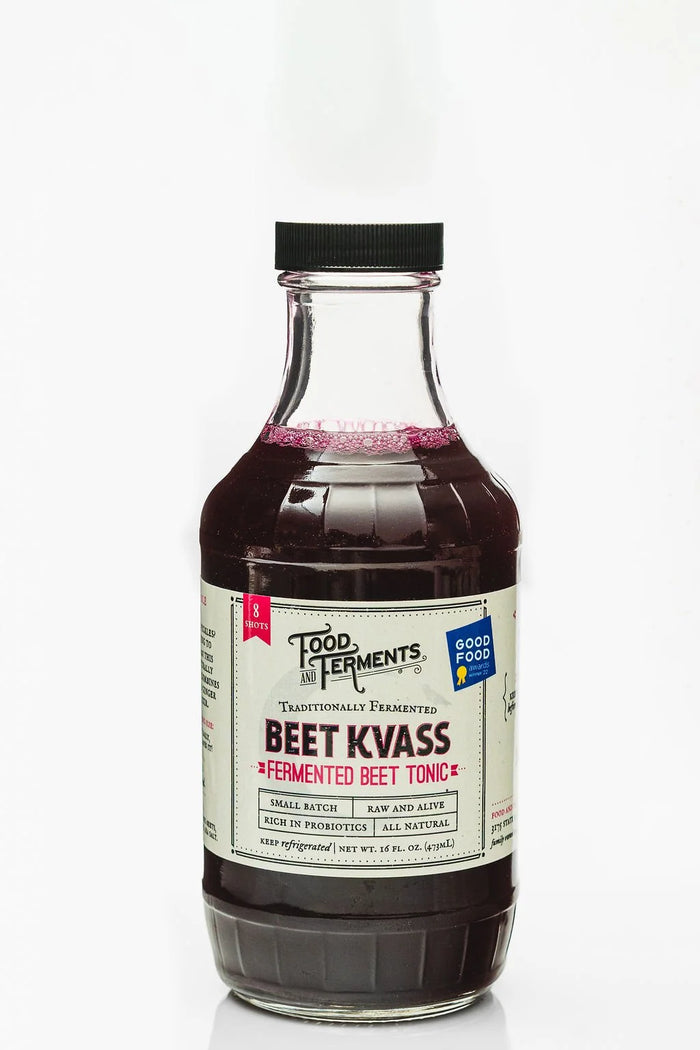
A deep-red tonic with a mind of its own.
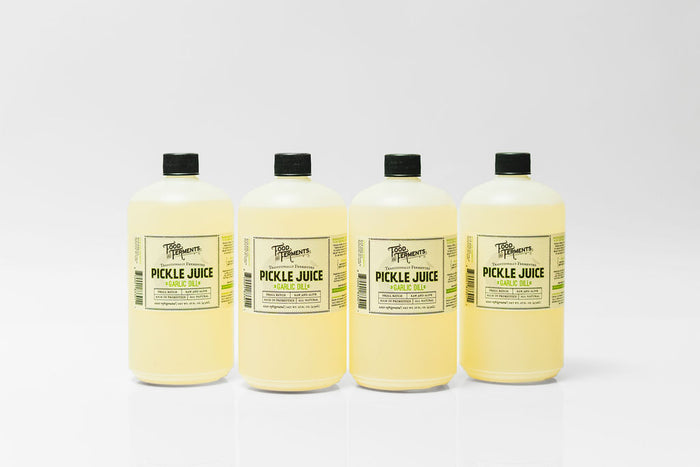
Snappy, briny, gone by Tuesday.
Small batch, big opinions
Every jar we make is fermented in small batches, by hand, in Cortland, New York: raw, unpasteurized, and alive. Where most supermarket kraut is quick-pickled with vinegar in a matter of days, ours ferments slowly, the old way, for weeks or months. No heat-treating, no vinegar, no preservatives, no rushing. Just real vegetables, real salt, real time, and the wild cultures that show up when you let good ingredients do their thing.
Nothing is cooked or heat-treated, so the live cultures and their probiotics stay alive all the way to your fork.
We don't rush good food. Our sauerkrauts wild-ferment a patient 4 to 6 months, building the deep, complex tang you cannot fake with vinegar.
Cabbage from a multi-generational family farm in Central New York, organic beets from Chicory Creek Farm, napa cabbage and cucumbers from Plowbreak and Stick & Stone. Farmers we know by name.
How it started
Carly grew up with her grandfather Ernie's cabbage cutting knife in the kitchen, and his stories about planting and harvesting cabbage as a boy. Stories rooted in hard work, farming, and feeding people well. We were always drawn to old things: vintage housewares, ancient traditions of health and healing, family recipes. Making sauerkraut felt like a natural extension of all of it.
Our county has deep roots in cabbage history. The landscape was once dotted with kraut factories. Today we are the only makers of fermented cabbage left in the county, quietly carrying on a local tradition, one small batch at a time.
Living foods
We don't rush good food. While mass-produced kraut is quick-pickled with vinegar or hurried out in days, ours undergoes a slow, traditional 4 to 6 month wild fermentation. That patient aging lets waves of beneficial lactic acid bacteria flourish, fully breaking down the cabbage for better bioavailability and developing a rich, complex, tangy flavor.
The long ferment also generates postbiotics: beneficial compounds and organic acids made by the probiotic microbes, associated with gut lining integrity and immune health. Raw, alive, and honest. That is the whole point.
Naturally gluten-free · no added sugar, vinegar, or preservatives · nothing you can't pronounce.
From real kitchens
Good to know
From The Daily Brine

Local History
How a dairy valley in Cortland County became the cabbage capital of Central New York.

The Land
Why the Finger Lakes Region grows cabbage worth fermenting, starting with the last ice age.

History
From farmhouse crocks to the kraut factory line to the Land Army, women have always kept Upstate New...